While I love my major, and enjoy school work most of the time, it's not all sunshine and rainbows. It gets difficult at times, and in this post, I will discuss the reality of architecture school.
Model Building
The tea's already cold
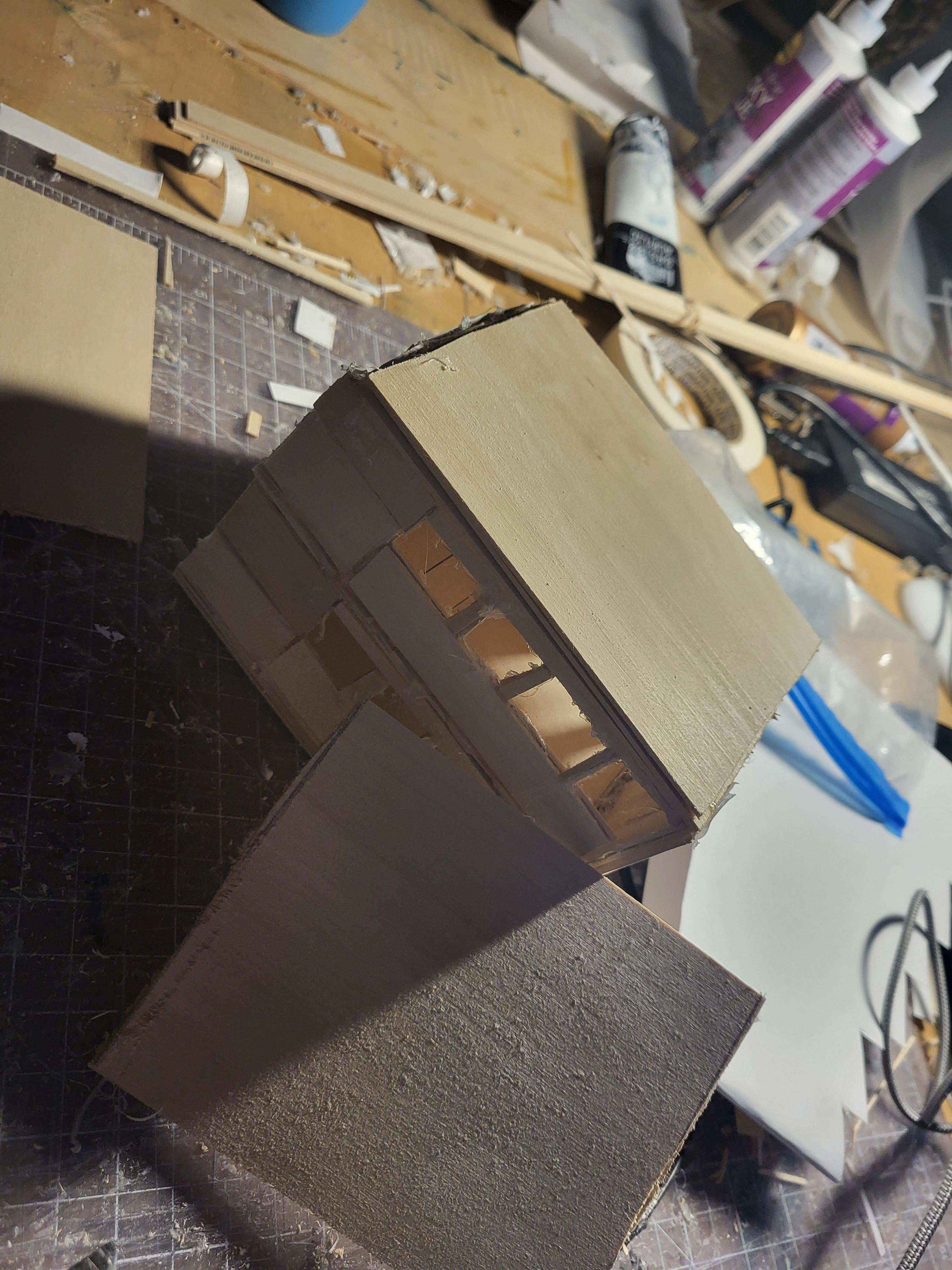
Model Progress
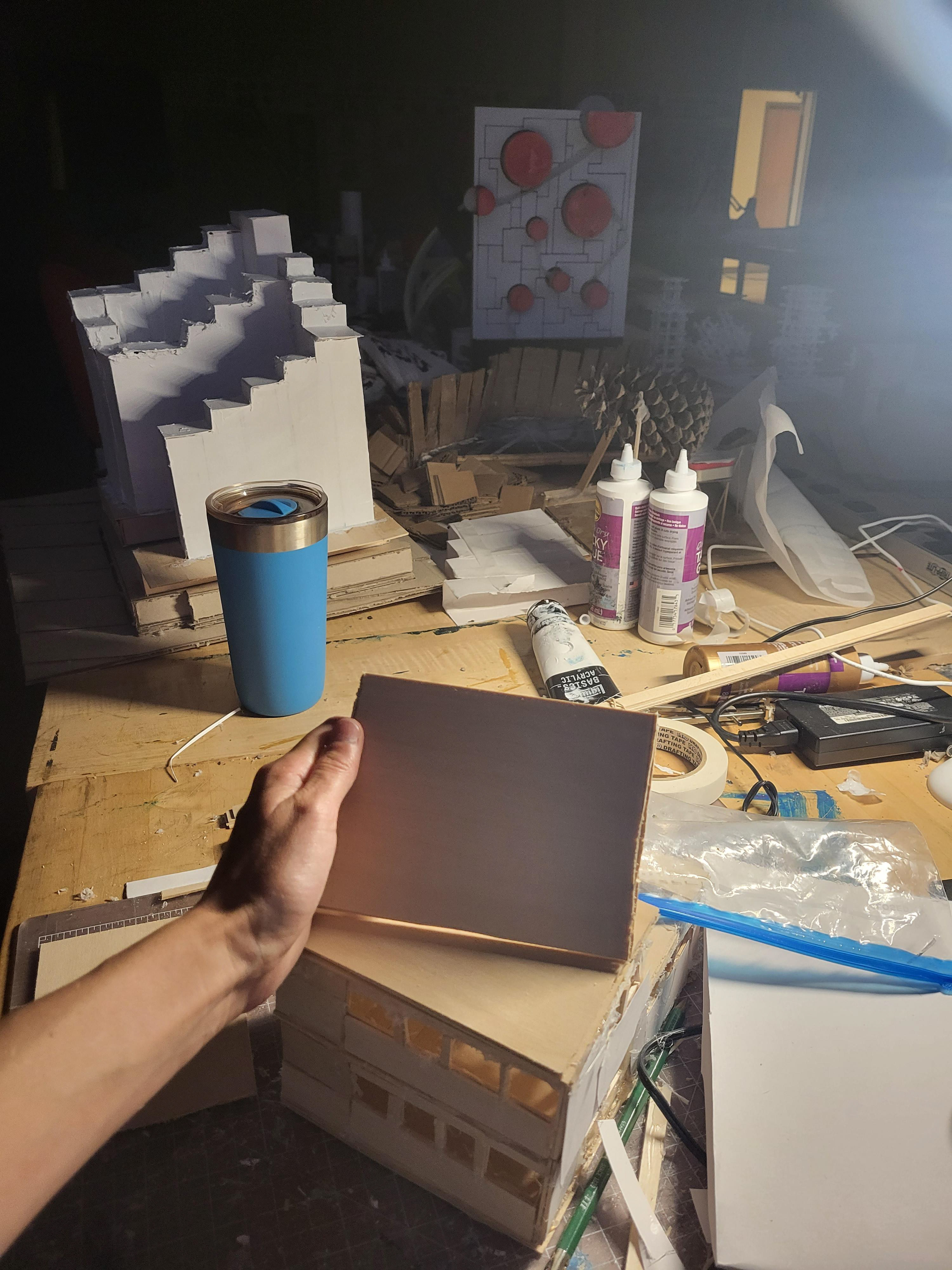
Another Floor Plate made
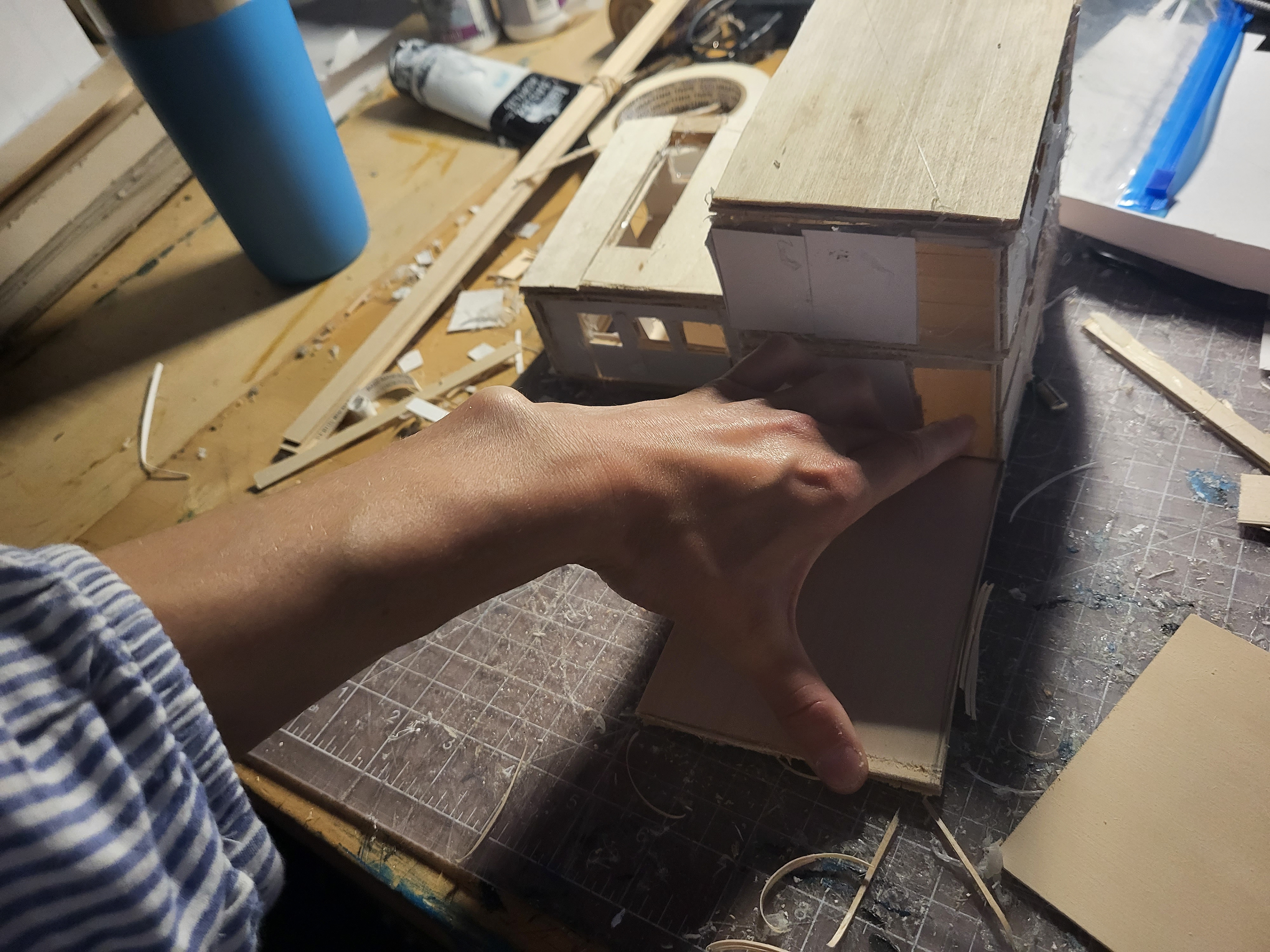
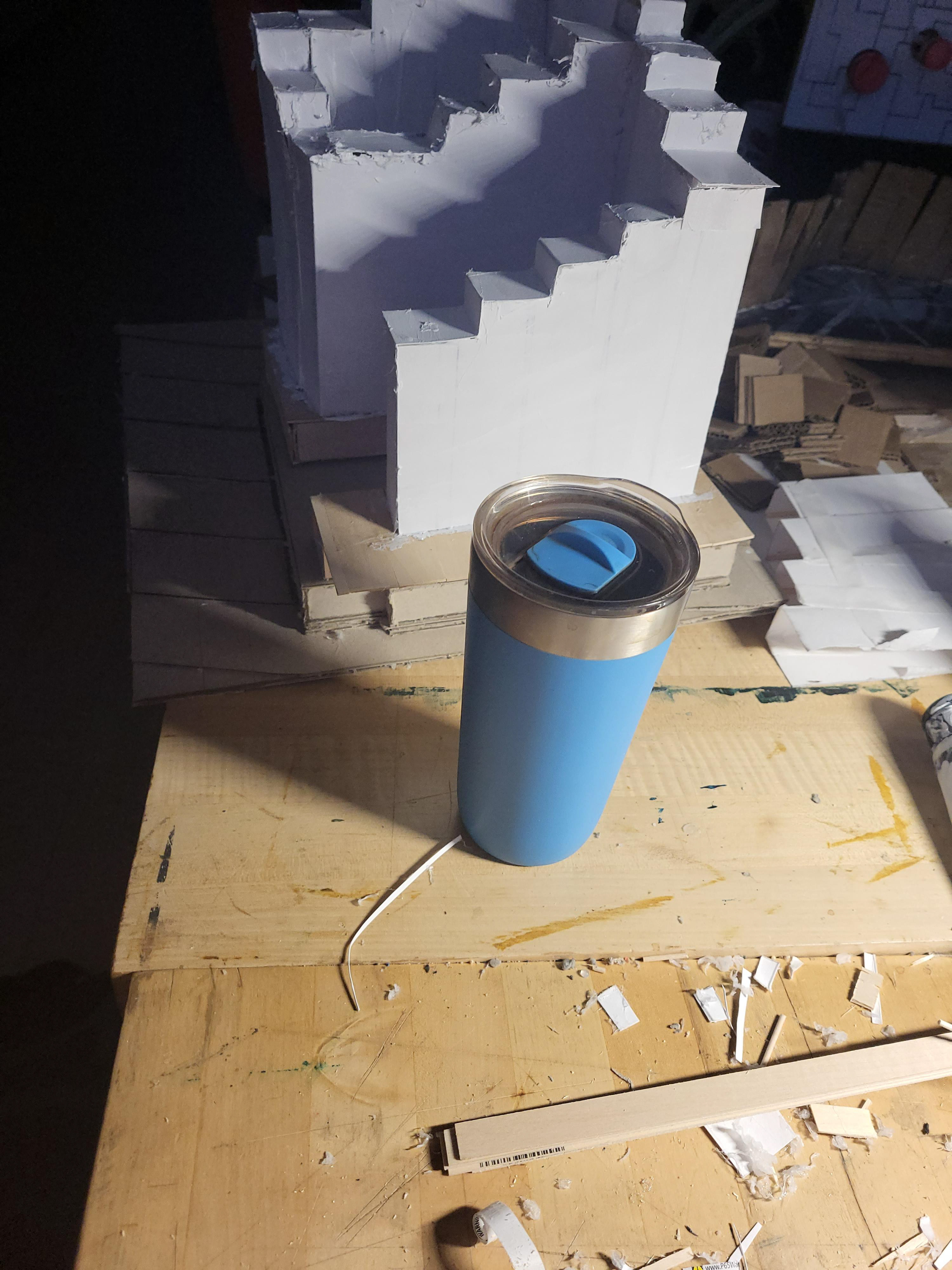
The photo grid above shows me building two models of Winding Cacti Sanctuary, which was a multi family residential project in Downtown LA. It's Spring Quarter 2023, and I am a second year. As we can see, it's already late at night, and as I joke, the tea has gone cold. As an architecture student, you will be working on studio projects outside of studio a lot. A reminder that for 2nd and 3rd year students, studio is a 5 hour long class on Monday, Wednesdays and Fridays. Good news is that on Fridays, you only have studio.
Also in 2nd and third year, you have a class known as TECH among students and professors. Tech's real name is Architectural Technology Fundamentals for 2nd year(which is why professors call it Tech Fun), and Architectural Systems Integration for 3rd year. Tech is more or less a mini-studio, as my friend calls it. Tech focuses more on the Technical side of architecture, such as code requirements, energy use, construction practices, etc.
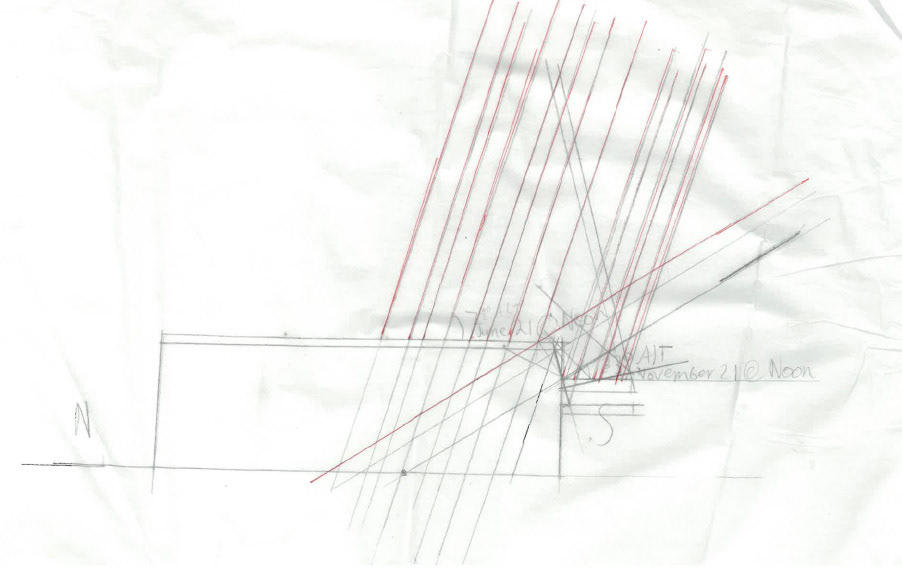
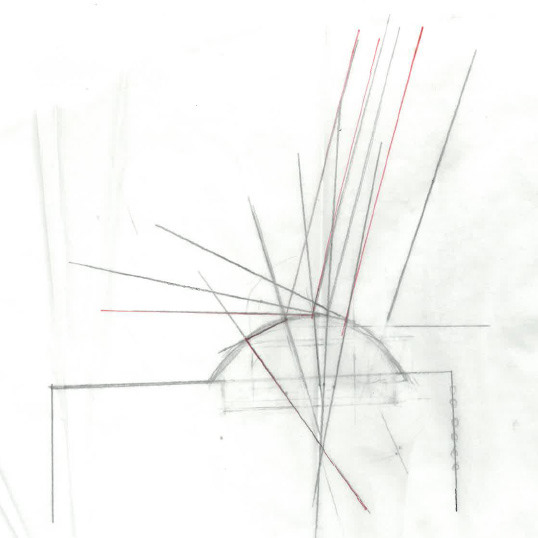
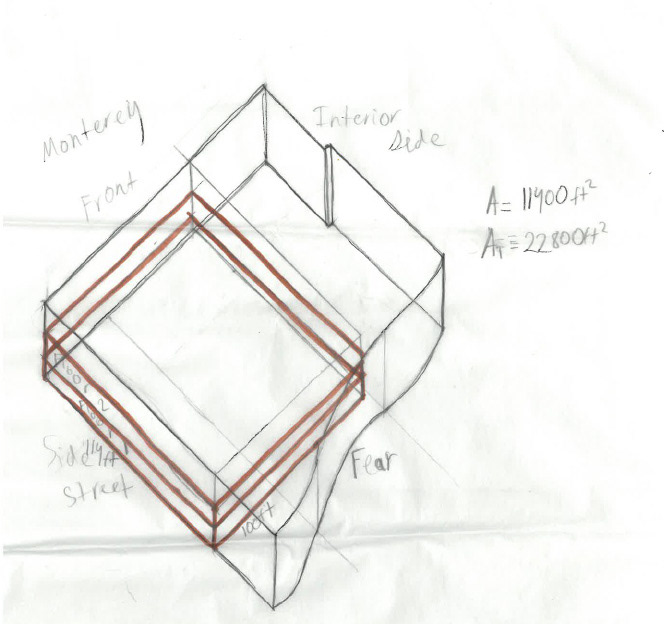
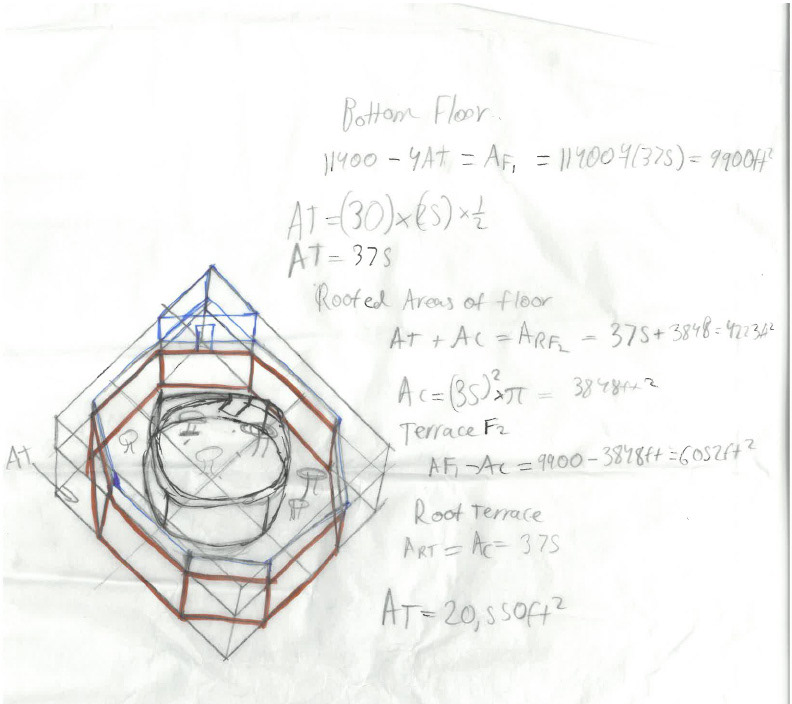
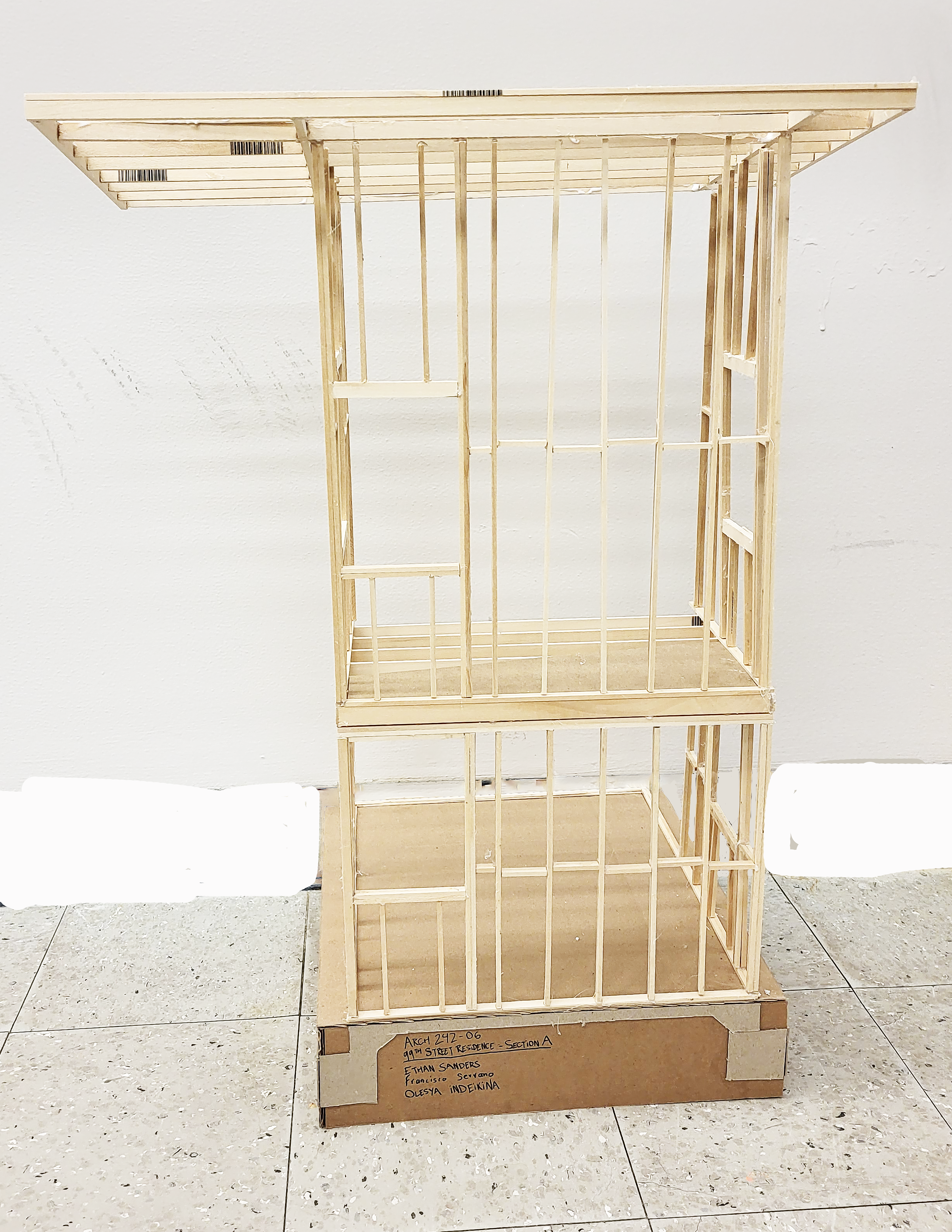
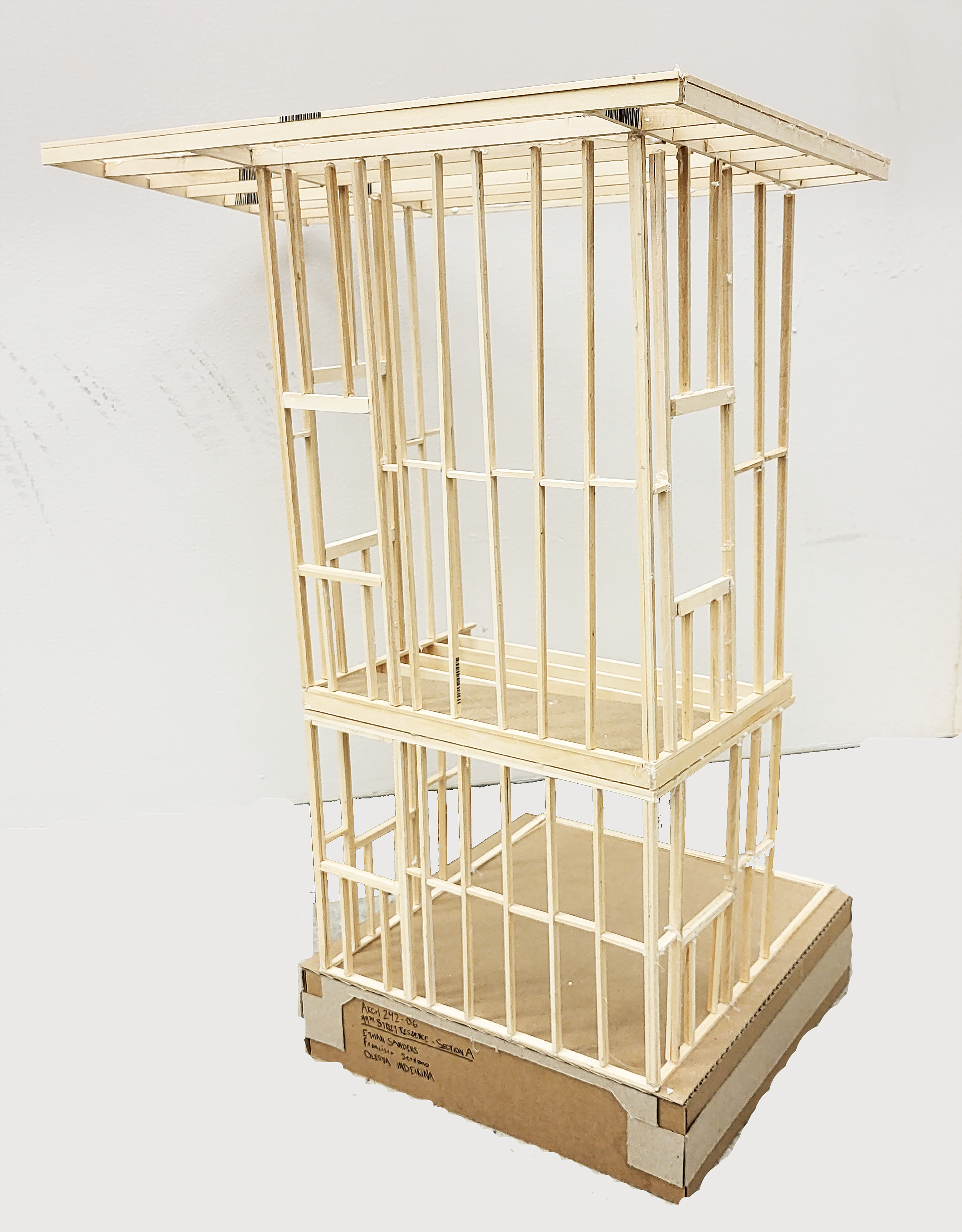
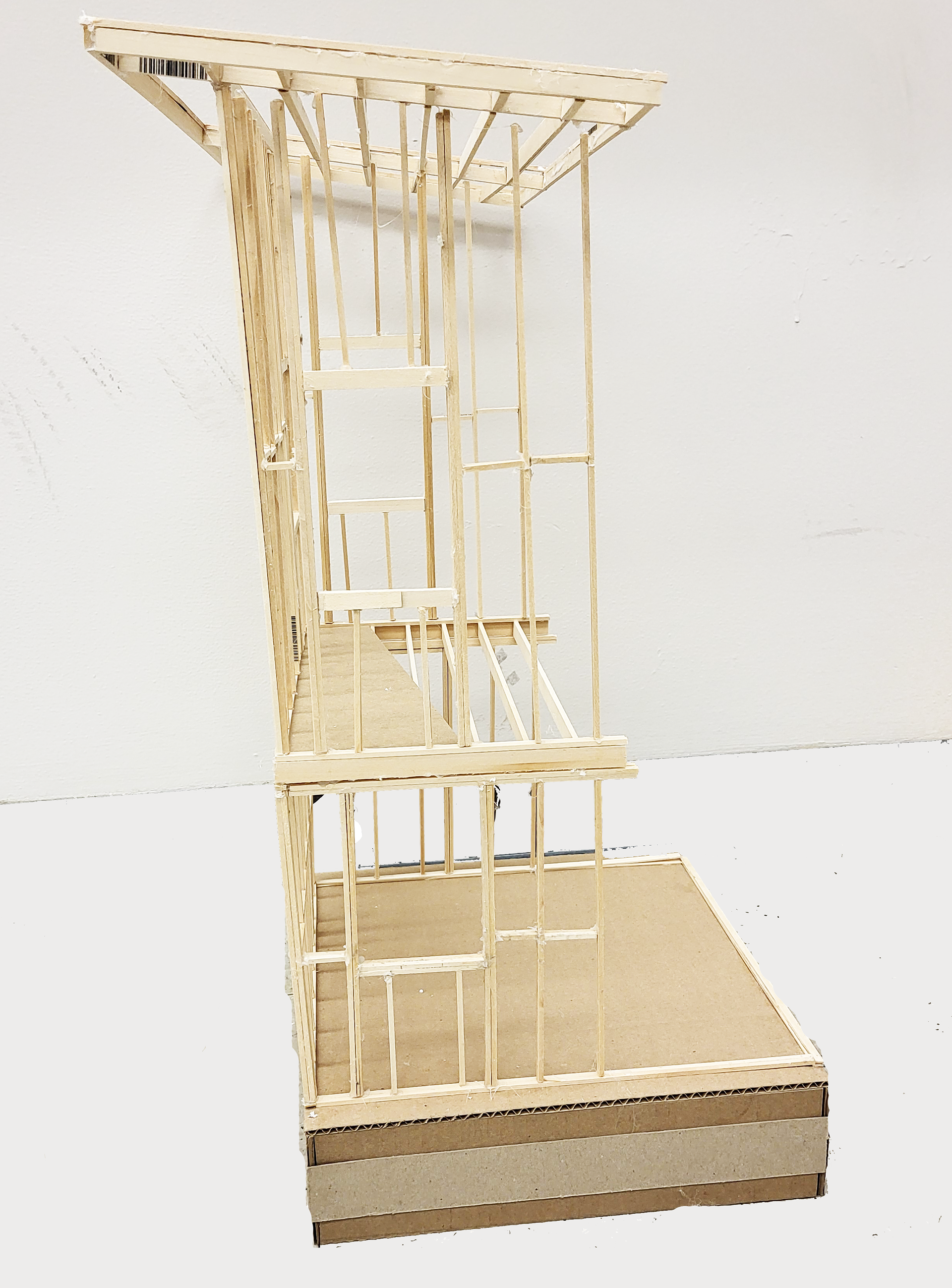
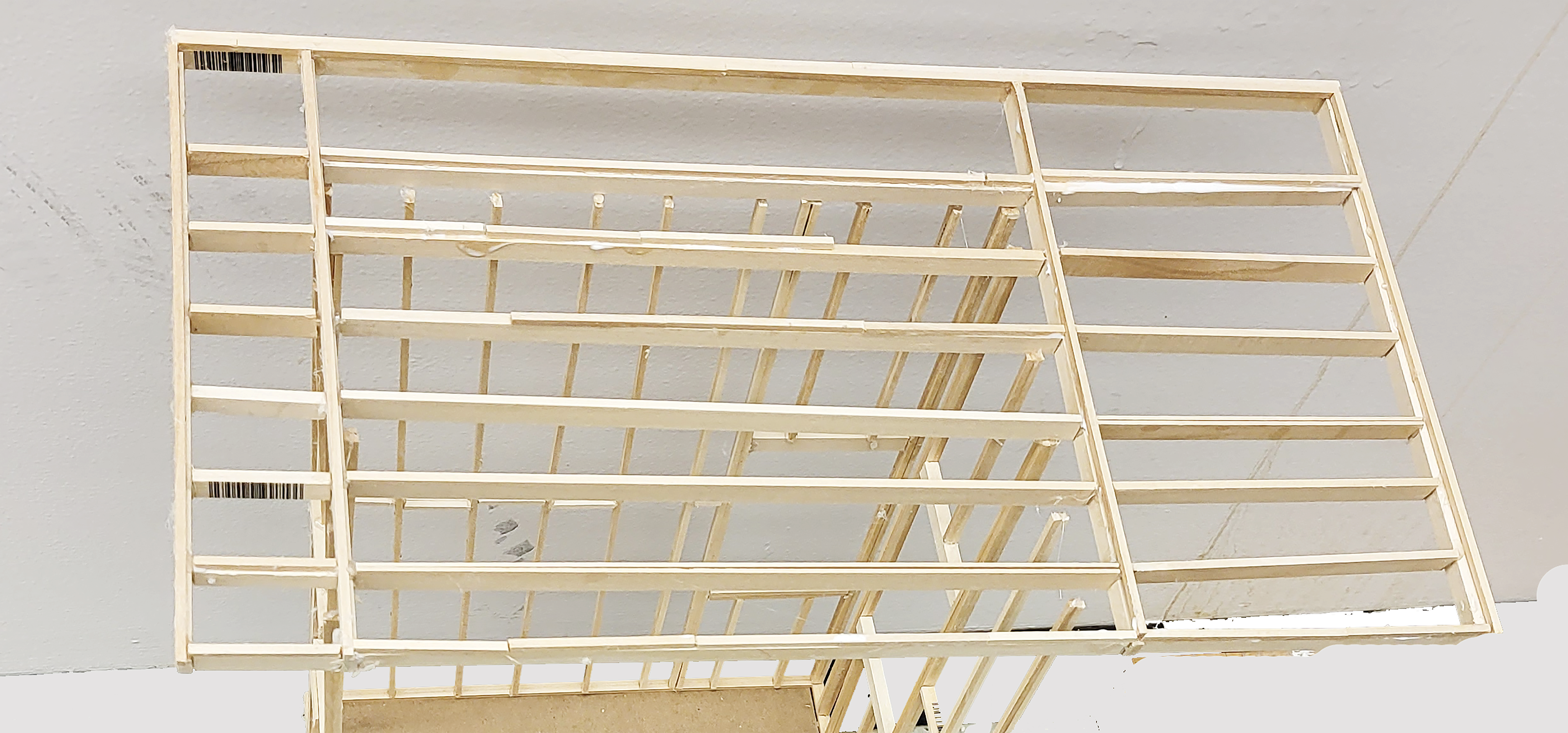
2nd Year Tech Work.
Daylighting, Zoning Rules
Framing model learning to read construction documents
Another important class you have is Structures. In my opinion, it is essentially glorified math and physics, but it does not make the class less valuable. As an architect, you must space your floors out enough to allow for any supporting structure and any systems to fit while maintaining an adequate ceiling height. Your building must be able to resist winds and earthquakes. So it is an important class, and you will have weekly homework, usually 1-5 problems. However, each problem takes a while to solve. In later structures classes, you have a group project to do. While its fun, it also comes with the same problems and frustrations as all group projects.
In second year, you have Architectural History. When I was a second year student, this class was 2 hours on Zoom, 9am on Tuesdays and Thursdays. I found the class to be interesting, and I enjoy history in general. You do read and write for this class a lot, and it can be taxing when you have a lot of work for other classes.
You also have GE's, or general education classes. These include foreign language, math, physics, biology, ethnic studies, US and California Government, US and World History, English, etc. I fulfilled a lot of my GE requirements through AP credit. I did retake Calculus II, despite testing out of it. Mainly because I was a senior in high school during Covid, and despite getting a 4 on the AP Calculus BC exam, I did not feel confident in my knowledge of the material at all. My parents advised me to retake the class, since I would need a solid foundation in math for structures. I don't regret it, because Calculus is much easier when you are taking it again. Also, some of your major and support classes cover General education credit.
All together, I normally take 16/17 units per quarter, but for Spring 2024, I am taking a lighter load of just 13 units, or 3 classes. The bare minimum I need to take next quarter to graduate on time. Which brings me to my next point. The reason I am taking a lighter course load is that I was feeling overwhelmed and anxious with the amount of work I needed to do for 3 major classes(studio, Tech, Structures) and GE(History of Witch Hunts in Europe) that I was taking Winter Quarter of my third year. Also, during my 2nd year, while working on Winding Cacti Sanctuary, I was constantly feeling anxious, as if something in my life was about to go horribly wrong, that I would fail Second year, etc. Despite it having no basis in reality. So an important piece of advice is to know yourself and to take care of your health. Including recognizing when you need to take a lighter course load.